

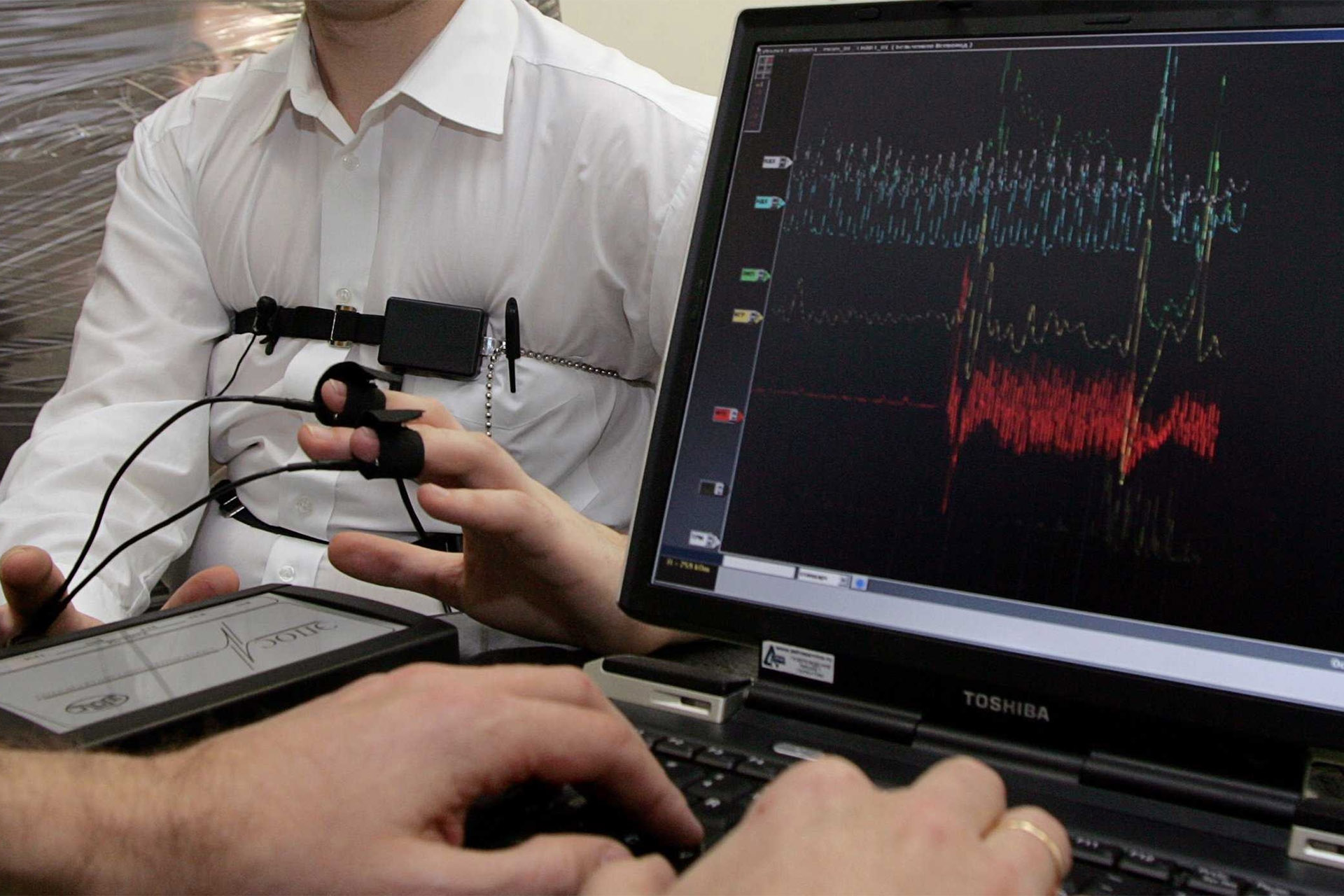
When people hear the word polygraph, they often think of a “lie detector.” While this term has become common in movies and popular culture, it does not accurately reflect the purpose of a professional polygraph examination.
At Polyventures, we prefer the term truth verification because it better represents what a professionally conducted polygraph examination is designed to achieve.
The Goal Is Not to Catch Someone Lying
A truth verification examination is not a “witch hunt” or an attempt to trap someone into making a mistake. In fact, the ideal outcome is for the examinee to answer every relevant question truthfully and complete the examination successfully.
The examination is designed to provide an opportunity for honesty, transparency, and clarification. This is why a significant portion of every professional polygraph examination is spent in the pre-test interview.
The Importance of the Pre-Test Interview
Before the examination begins, the examiner discusses every relevant issue with the examinee. This allows the examinee to fully understand the questions that will be asked and provides an opportunity to clarify misunderstandings or voluntarily disclose additional relevant information.
If an examinee chooses to disclose information during the pre-test interview, those admissions become part of the known facts surrounding the matter. The examination is then structured around what remains in dispute, rather than information that has already been openly acknowledged.
This process encourages openness and ensures that the examination is fair, transparent, and focused.
Honesty Builds Trust
Trust is the foundation of every relationship—whether between employer and employee, business partners, family members, or couples.
One of the greatest values of a truth verification examination is that it gives individuals the opportunity to be completely honest before the examination begins. While admitting previously undisclosed information may not eliminate the consequences of past actions, honesty often demonstrates accountability and a willingness to accept responsibility.
In many situations, people who choose honesty are viewed far more favourably than those who continue to conceal the truth and are later confronted with contradictory evidence or inconsistencies.
A Tool for Finding Clarity
A professionally conducted polygraph examination should never be viewed as a tool designed simply to accuse someone of lying. Instead, it is one part of a broader truth verification process that helps resolve uncertainty, verify information, and support informed decision-making.
For truthful individuals, the examination provides an opportunity to reinforce their credibility. For those who have withheld information, it provides an opportunity to be honest before the examination proceeds.
Ultimately, the purpose of truth verification is exactly what its name suggests: to promote honesty, strengthen trust, and help all parties move forward with greater confidence and clarity.